Plantar fasciitis hits first thing in the morning. Feet hit the floor, first step, and a sharp stab shoots through the heel. Walk around a bit and it eases. Then you sit for a while and it comes roaring back. End of a long day on your feet, the heel’s aching all over again. Common problem. Stubborn one too, especially if you leave it alone.
The upside is that it responds well to treatment. Often faster than people figure, once they quit hoping it’ll just disappear.
What Causes Plantar Fasciitis
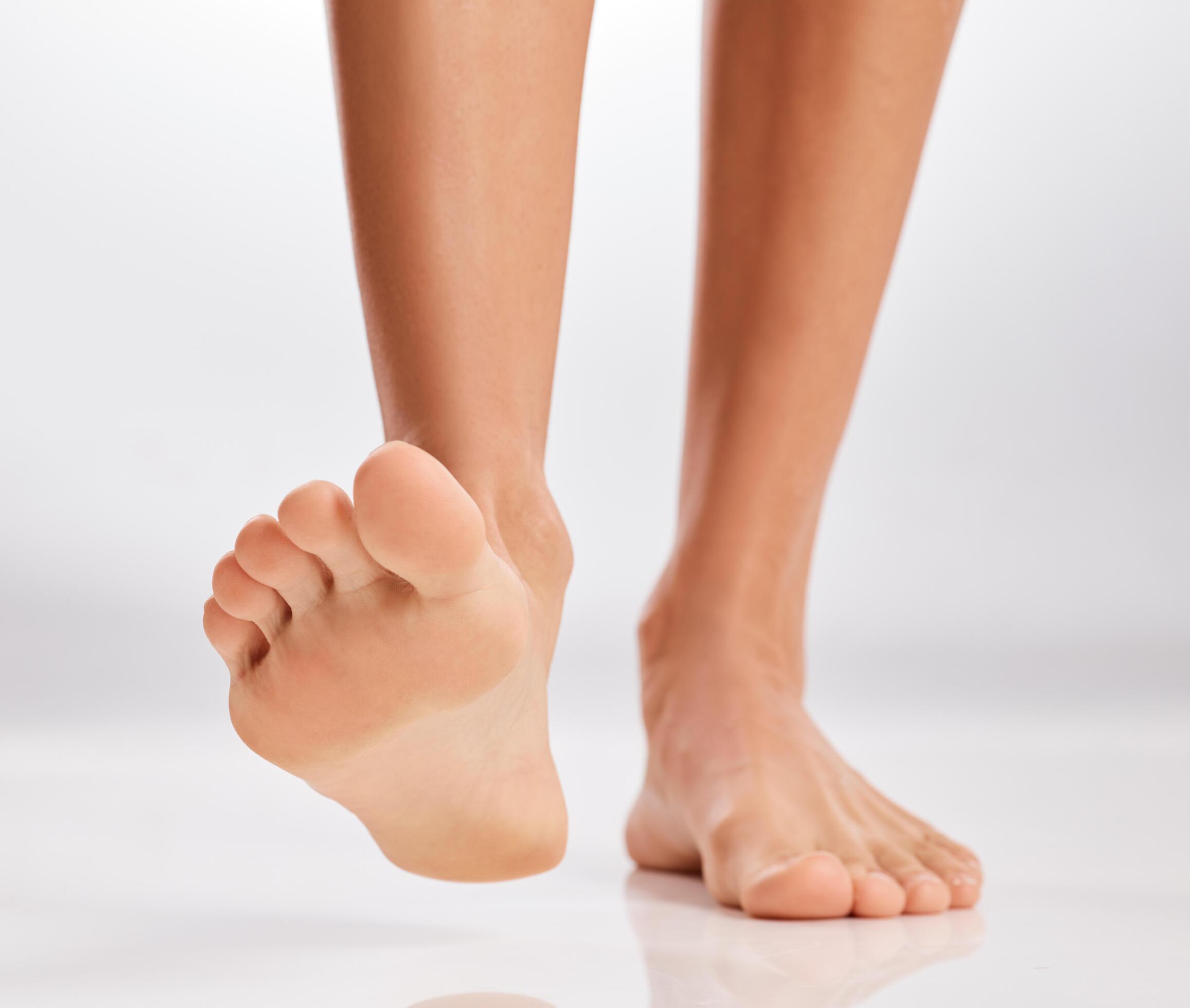
The plantar fascia is a thick band of tissue along the bottom of your foot, running from heel to toes. It holds up your arch. Takes a load every single step. Plantar fasciitis kicks in when that band gets irritated and inflamed, usually from too much stress too fast. What sets it off:
- A sudden jump in walking, running, or time on your feet
- Tight calves and Achilles pulling on the heel
- Shoes with poor support or worn-down soles
- Long hours standing on hard ground
- Foot mechanics that overload the arch
- Extra weight adds strain to the foot
That morning stab gives it away. The fascia tightens overnight, so the first step stretches it hard. That’s why those early steps are the worst of the day.
Orthopedic Treatments That Ease It
Most plantar fasciitis clears without anything drastic, as long as the treatment goes after what’s driving it. Here’s the thing people get wrong. They chase the heel pain with rest and ice, but the real culprit is often higher up. Tight calves. A weak foot. Bad mechanics.
So good treatment works the whole chain:
- Stretching the calf and the fascia to pull tension off the heel
- Strengthening the foot and lower leg to support the arch
- Hands-on work to release tight tissue and ease the pain
- Footwear guidance and supportive inserts that offload the heel
- Activity changes so the fascia gets a shot at settling
- A loading plan that rebuilds the tissue’s tolerance over time
The stretching does a lot of the heavy lifting. Tight calves drive a huge share of these cases, and loosening them takes real strain off the heel. Add foot strengthening so the arch supports itself, and most cases turn the corner.
One note on that morning pain. A few targeted stretches before the first step, plus the right support through the day, often knock down the worst of it inside the first couple weeks of steady work.
Why Early Treatment Speeds Relief
Plantar fasciitis runs on an annoying rule. The longer you let it go, the longer it takes to fix.
Caught early, while the irritation is fresh, it often settles in a few weeks. The tissue responds fast to the right stretching and loading. But push through it for months and two things happen. One, the irritation changes the tissue itself, and the changed tissue is slower to turn around. Two, you start limping or shifting your weight to dodge the pain, which dumps strain onto the ankle, the knee, and the other foot. Now there’s a whole chain to untangle instead of one sore heel.
That’s the trap. The window for fast relief is right at the start, which is exactly when most people are still telling themselves it’ll go away on its own.
Modern Medicine of Surprise, AZ, treats plantar fasciitis with targeted plans that get heel pain under control. Call today to schedule an evaluation and have your foot assessed.