Right After Surgery
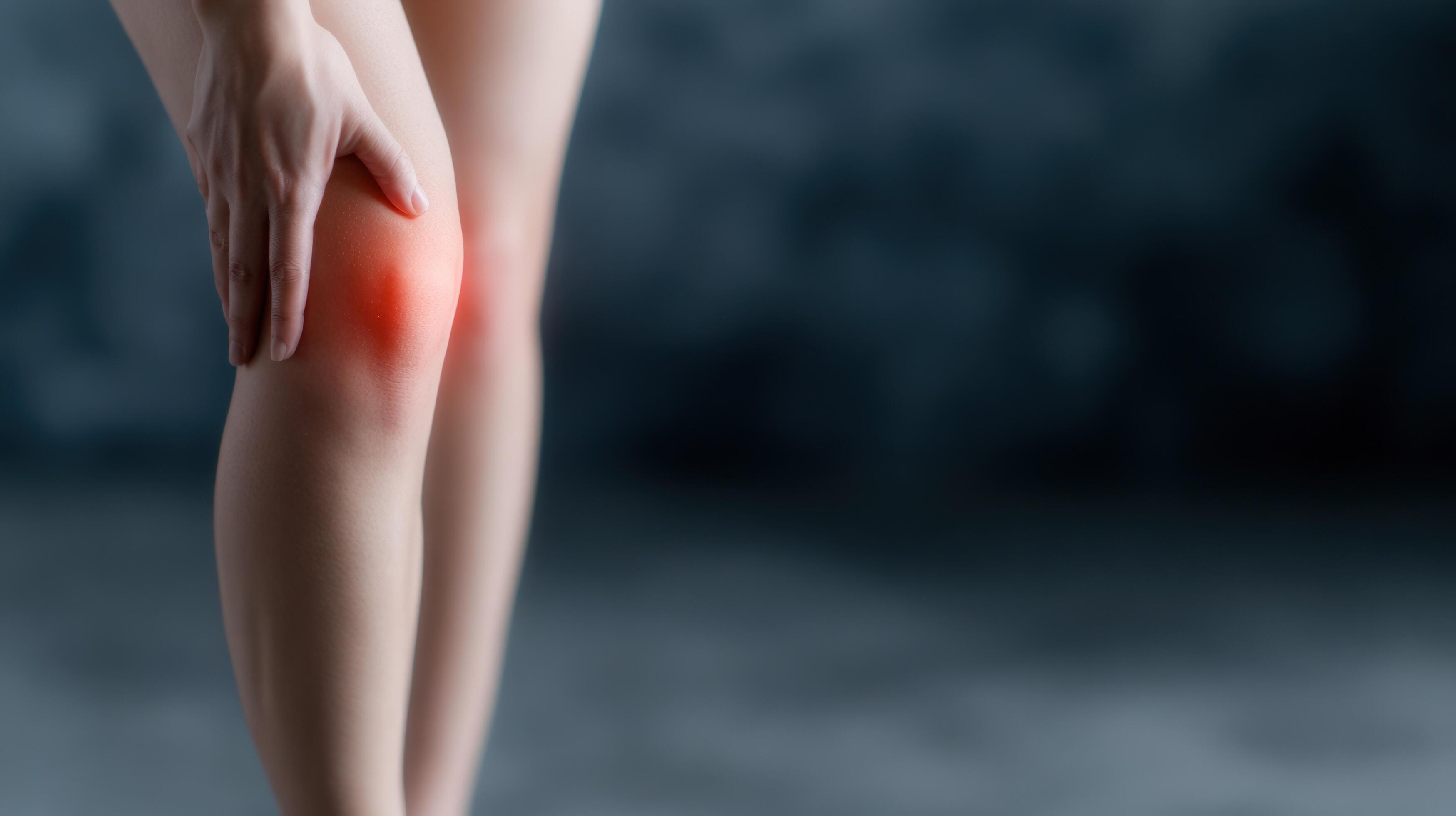
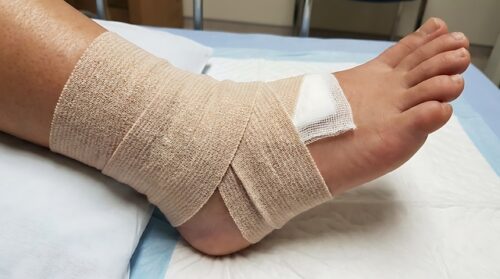
Swelling. Pain. Muscles that have shut down around the surgical site. A nervous system that is protecting the area by reducing activation, whether the patient wants it to or not.
Early physical therapy sessions are not intense. That is by design. The priority is getting the joint moving within safe limits, reducing swelling, and starting to reconnect the muscles that went quiet. Pushing hard at this stage does not speed recovery. It usually delays it.
For most post-surgical patients, this phase also involves a lot of education. Understanding what is normal. Knowing the difference between expected discomfort and a warning sign. Learning how to move safely at home between sessions.
Building the Foundation
Once acute swelling settles, the work shifts. Basic range of motion gives way to controlled strengthening. The muscles around the surgical site need to be loaded progressively. Not heavily at first. Just enough to drive adaptation without overwhelming tissue that is still healing.
This phase is where patience gets tested. Progress is happening, but it does not always feel dramatic. A little more range this week. A little more strength next week. The improvements are real, but they are measured in small increments rather than obvious leaps.
Compensation patterns get addressed here, too. The body learned to move around the problem before surgery. Those patterns are still running after it. Left alone, they load the new or repaired structure unevenly and create problems that nobody expected.
Adding Load and Function
As strength builds, the sessions start to look more like real life. Step training. Single leg work. Balance and coordination exercises that retrain how the joint senses position and load. Movements that simulate the demands of daily activity, rather than isolated exercises on a table.
For El Mirage patients with physically demanding jobs, this phase focuses on the specific movements work requires. For more active patients, it means returning to the activities that matter to them without the surgical site being the weak point every time.
Progress here is not always clean either. A harder session can leave things sore the next day. A more active week can bring swelling back temporarily. That is tissue adapting to increasing demand. It is information, not a setback, as long as the care team knows about it.
The Final Push
The last phase of rehab is about confidence as much as strength. The tissue is healed. The strength is mostly back. But the body is still cautious. Movement patterns are still slightly guarded. The patient is still making decisions based on the injury rather than trusting the repair.
This phase works on bridging that gap. Challenging the joint in ways that build trust. Proving to the nervous system that the area can handle real demand. For some patients, this phase goes quickly. For others, it takes longer, particularly after significant procedures or extended immobilization.
If you are recovering from surgery, contact Modern Medicine of Surprise, AZ to set up a physical therapy evaluation and get the process moving in the right direction.