Meniscus tears are common, but they’re not always straightforward. You might feel a sudden twist. You might not. Some people notice a pop. Others just wake up the next day with swelling or stiffness that wasn’t there before. Whether it happens during sports, a workout, or something as simple as stepping wrong, it’s enough to throw off your day.
What’s Actually Happening Inside the Knee?
Your meniscus is cartilage. Two pads per knee. They’re shaped like little wedges and sit between the femur and tibia. Think shock absorption, stability, smooth motion.
A tear disrupts all of that. Your movement feels off. You might feel the joint catch. The range of motion changes. Stairs or deep squats become uncomfortable. Some people feel sharp pain. Others just can’t fully bend.
Not All Tears Are the Same
There are different kinds of meniscus injuries. Some heal well with time and therapy. Others don’t get better without surgery. The difference depends on where the tear is, how big it is, and whether the joint stays stable.
That’s why imaging, usually an MRI, is often part of the early process. It gives your provider the full picture before they recommend a path forward.
How Physical Therapy Fits In
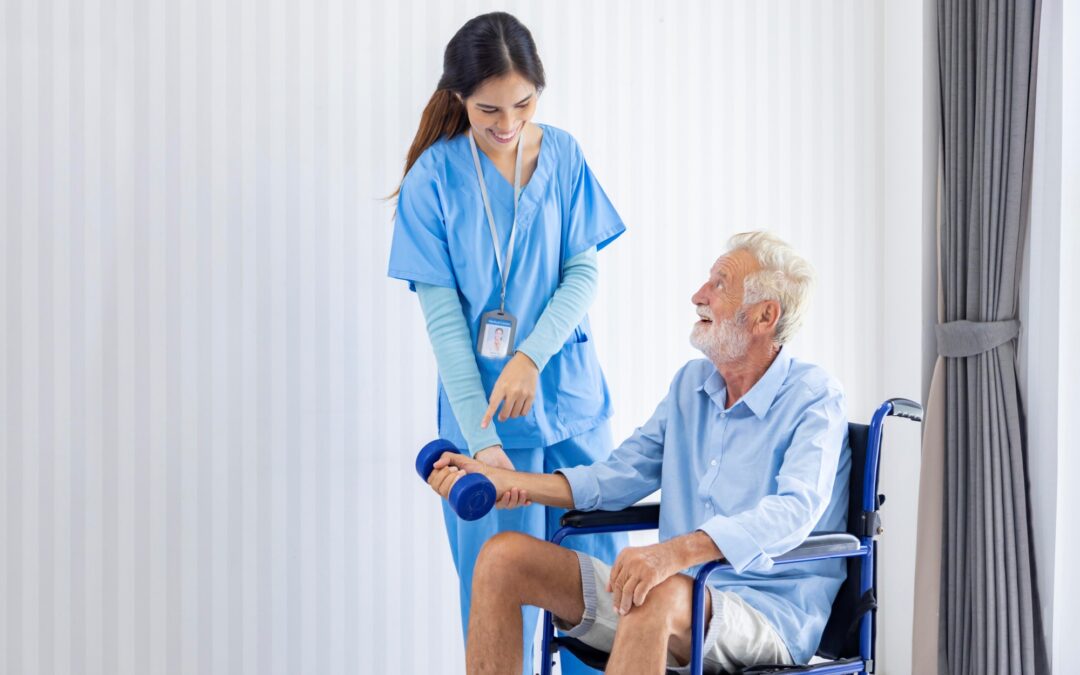
A lot of meniscus tears respond well to rehab. That’s especially true for less complex tears and for people who don’t need to return to high-level athletics. PT helps reduce swelling, restore strength, and improve balance, all without surgery.
And if surgery is necessary? PT becomes part of your recovery timeline. Either way, it’s a core part of healing.
What You’ll Actually Do in a Session
Early sessions focus on gentle movement. The goal is to get the knee working again without aggravating it.
You might do:
- Heel slides or wall-assisted bends
- Quad activation drills
- Light balance work
- Mobility drills for flexion and extension
- Low-load strength work that ramps up as tolerated
Sessions build slowly. Your therapist makes changes based on how your knee responds. If something doesn’t feel right, they pivot.
If Surgery’s on the Table
For larger or complex tears, surgery might be the best move. That doesn’t mean recovery stops. It just follows a new path. You’ll go from inflammation control to strengthening to movement training. And eventually, back to the level of activity that matters to you. Rehab takes time. Weeks, sometimes months. But it’s how you get function back and avoid future problems.
The Goal Isn’t Just “Pain Relief”
It’s about movement that feels strong again. Walking, stepping, getting through the day without worrying if your knee’s going to hold up. For some, it’s returning to a sport. For others, it’s walking the dog without thinking twice. Physical therapy helps with that at Modern Physical Therapy & Sports Medicine of Surprise, AZ.