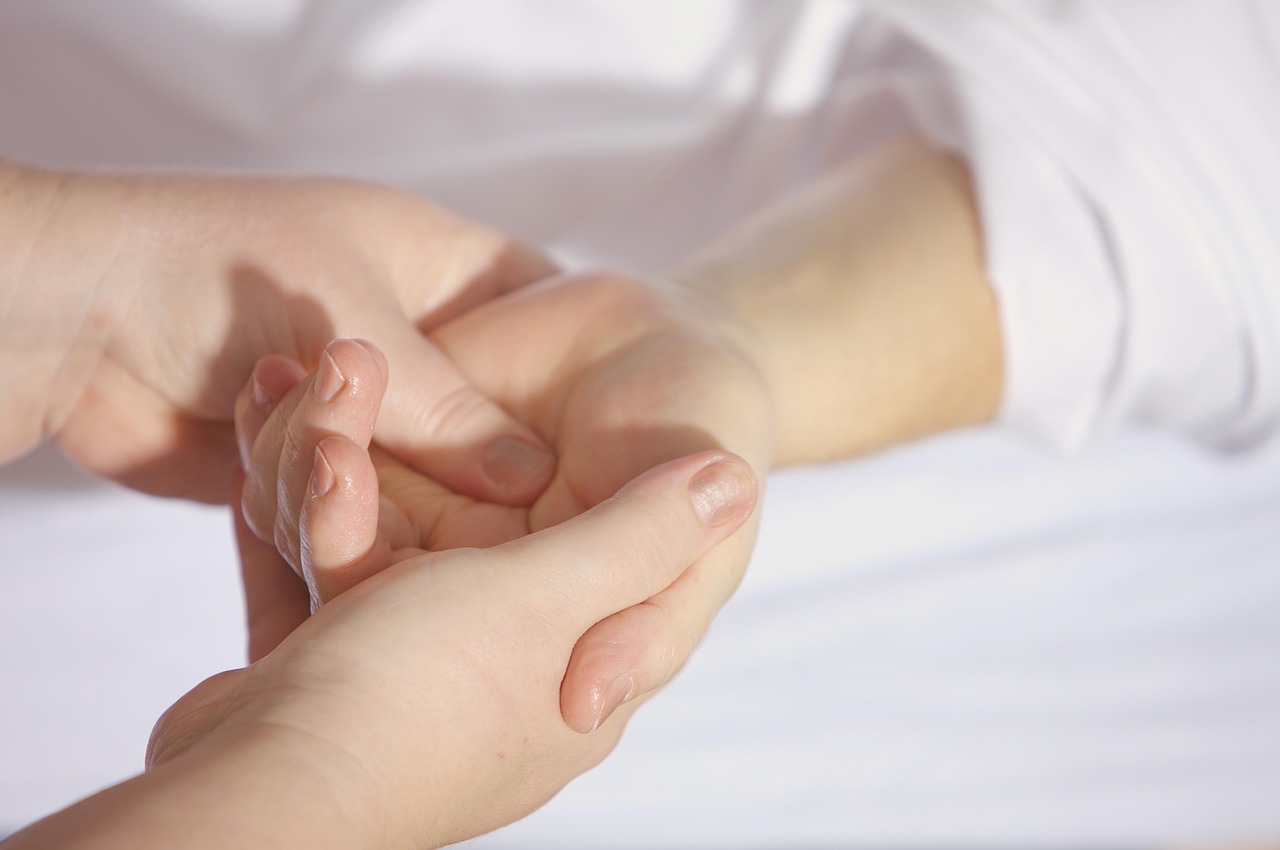
Thumb sprains are sneaky. They often come from a fall that doesn’t seem like a big deal at the time. You stumble, your hand goes out, and your thumb takes the weight at a bad angle. A golf swing that goes wrong can do it too. The next day, the bottom of the thumb is swollen and sore, and even picking up a fork feels awkward.
When we say sprain, we mean a ligament has been stretched or torn. Ligaments are the tough bands that hold joints together. Your thumb leans on them constantly, since it’s involved in almost everything your hand does.
The Ligament That Usually Gets Hurt
The one that usually gets hurt sits at the bottom of the thumb, on the inside edge facing your index finger. It keeps the thumb steady when you press against something. When the thumb gets forced backward or out to the side, that ligament takes the hit. Skier’s thumb is another name for it. Skiers who fall while holding a pole tend to get it, which is how it got the nickname.
How bad it is varies. A mild one is just a stretch, and the ligament stays in one piece. A worse sprain means part of it tore, or the whole thing gave way. A bad tear can leave the thumb feeling loose and weak.
How to Tell It’s More Than a Bump
Watch for:
- Swelling and bruising at the base of the thumb
- Pain when you pinch, grip, or try to open a jar
- A thumb that feels wobbly or gives way when you press on it
- Tenderness on the inner side of the thumb joint
It’s worth getting checked instead of waiting it out. We’ll press around the joint, gently test how stable it is, and usually take an X-ray to look for a small break.
How Hand Therapy Helps
For most sprains and partial tears, treatment starts with protecting the ligament so it can heal. We’ll make a splint that holds the thumb steady while still letting you use your other fingers. You’ll likely wear it for a few weeks, sometimes longer, depending on how bad the injury is.
During that time, we’ll help with swelling and keep the rest of your hand from stiffening up. Once the ligament has had time to heal, the splint comes off for short periods and we start working on movement.
After that comes strength. You’ll work on pinching and gripping again, using putty, clothespins, and other simple tools. We’ll also show you how to protect the thumb during daily tasks, like using your whole hand to open a jar, so you don’t strain it again.
When Surgery Is Needed
A complete tear doesn’t always heal on its own. Sometimes the torn end of the ligament gets stuck in the wrong spot. In those cases, surgery may be the better choice. If you need it, we’ll help with your recovery afterward.
Get That Thumb Checked Out
If your thumb is still sore or weak after a fall or a twist, come see our team at Modern Medicine of Surprise, AZ. We’ll figure out how bad the sprain is and help you get your grip back.