How Mobility Changes With Age In Daily Life
Mobility loss often shows up in small ways first. You take shorter steps in parking lots. You avoid curbs and uneven sidewalks. You use both hands on the stairs’ rail. You hold the counter while turning in the kitchen. Getting up from a low chair takes more effort. Long car rides can leave hips and knees stiff, so the first steps feel unsteady. These changes can shrink routines over time.
Mobility And Balance Evaluation
PT starts with a full mobility screen. Your therapist checks walking speed, step length, and turning control. They test balance in different stances and note how you recover from a small loss of balance. They also assess leg strength, joint motion, and foot and ankle control. This visit identifies the exact weak link that limits walking and stairs.
Strength Training For Chair Rise And Stairs
Leg strength drives daily function. PT builds strength for quads, hips, and calves with safe loading. You practice tasks like sit-to-stand and step-ups, since those match real life. This work improves power for chair rise, curb steps, and longer walks without fatigue.
Gait Training For Safer Walking
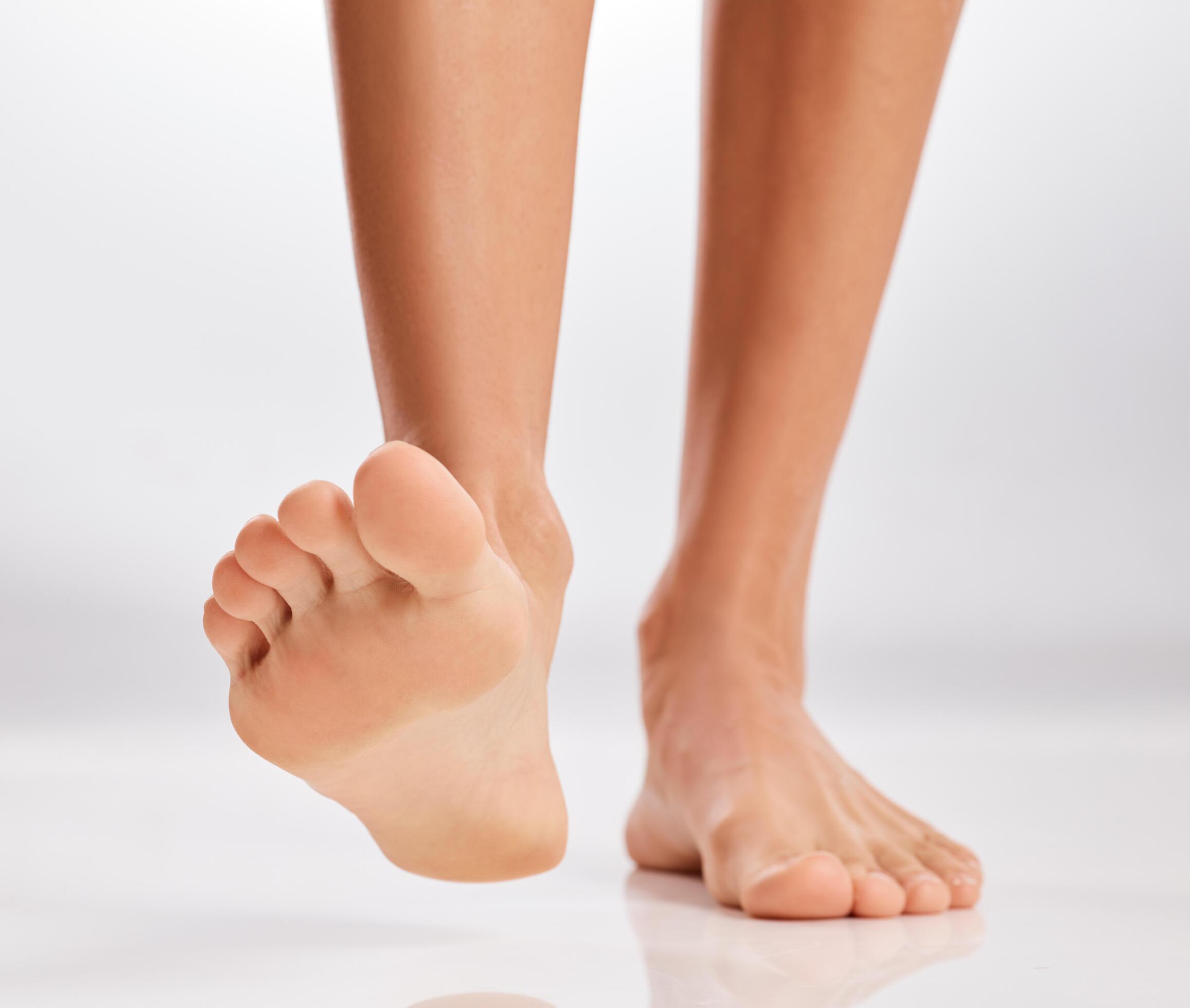
Walking changes when people feel unsteady. Steps get shorter and speed drops. PT retrains stride, foot placement, and push off. Your therapist may work on arm swing and trunk position, too. Better walking form helps you waste less energy and feel steadier on uneven ground.
Balance Training That Matches Real Tasks
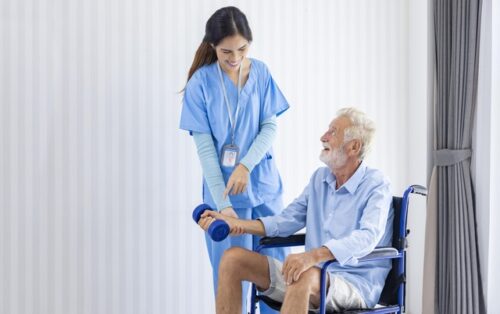
Balance training goes beyond standing still. PT adds turns, reaches, and step drills that match home life. Your therapist uses safe supports and close guarding, then reduces help as you improve. This training improves reaction time and lowers fall risk during daily movement.
- Narrow stance holds with head turns
- Step taps to a target at different heights
- Side steps along a counter with control
- Step overs for cords and door thresholds
- Backward walking in short, safe distances
- Timed single-leg balance near support
Flexibility And Joint Mobility Work
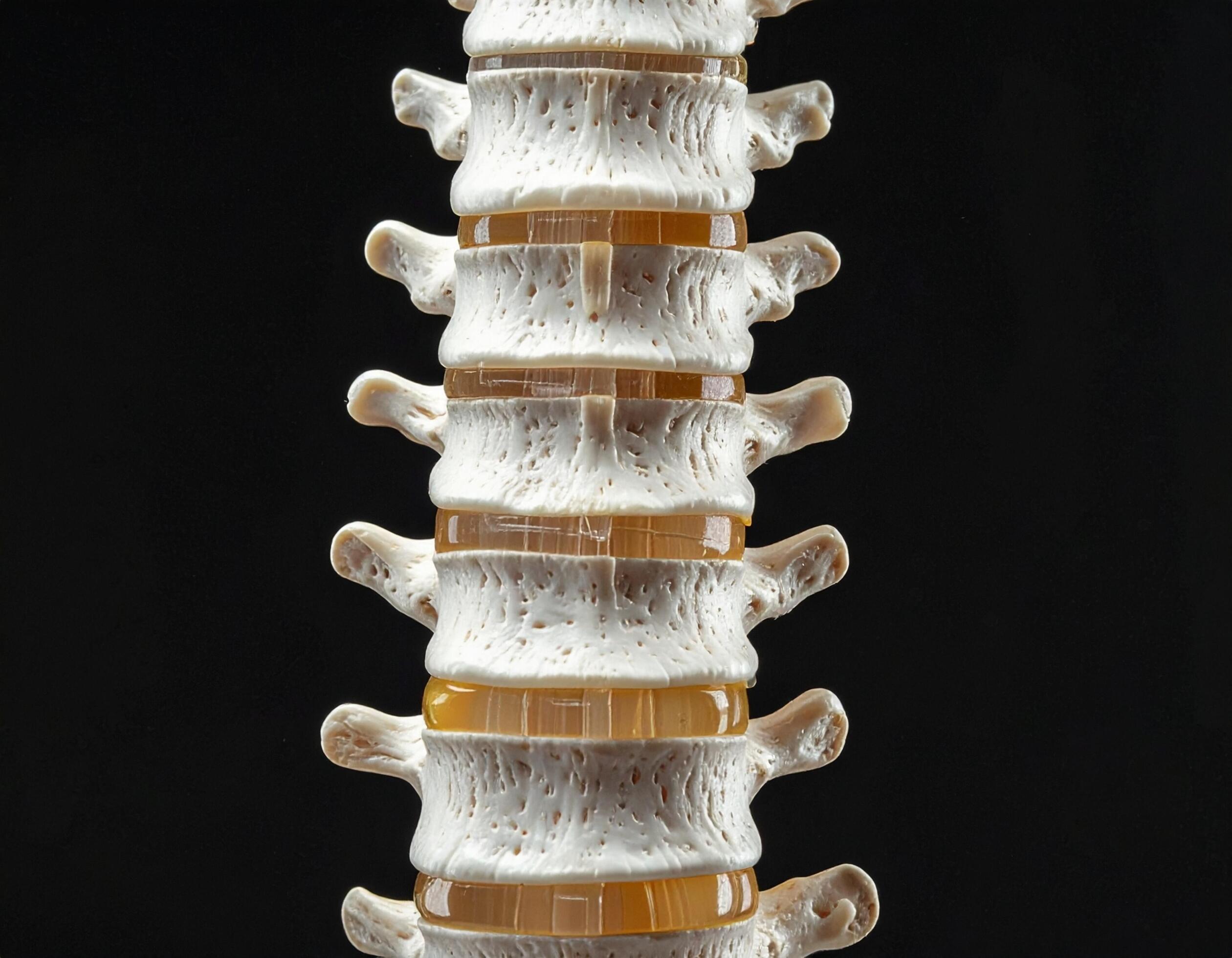
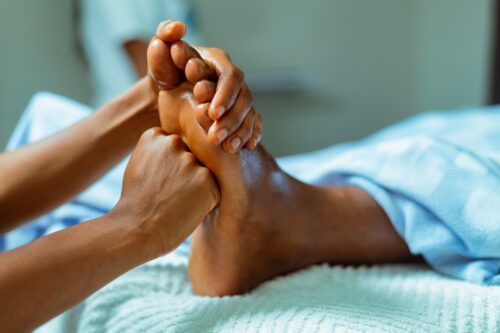
Stiff hips, ankles, and upper back can limit stride and make stairs harder. PT uses guided mobility drills and hands-on care when needed. Better motion supports smoother steps, easier car transfers, and better posture during walks.
Vestibular Care For Dizziness And Unsteady Vision
Some mobility issues are linked to dizziness. Head turns can blur vision and trigger drifting during walks. Vestibular PT uses eye and head movement drills once testing supports it. This care reduces dizziness and improves steadiness during turns, store aisles, and busy rooms.
Assistive Device Training And Home Safety Coaching
A cane or walker can help when it fits well. PT checks height, grip, and step timing. Your therapist also reviews home setup and daily habits that raise risk. This support improves safety during bathroom trips, night walking, and outdoor errands.
Schedule PT For Mobility Today
Modern Physical Therapy & Sports Medicine of Surprise, AZ can assess walking, balance, and strength and build PT services that support safer daily movement. Call today and set up an appointment to explore PT services to help your mobility.