What is a Vertebral Compression Fracture?
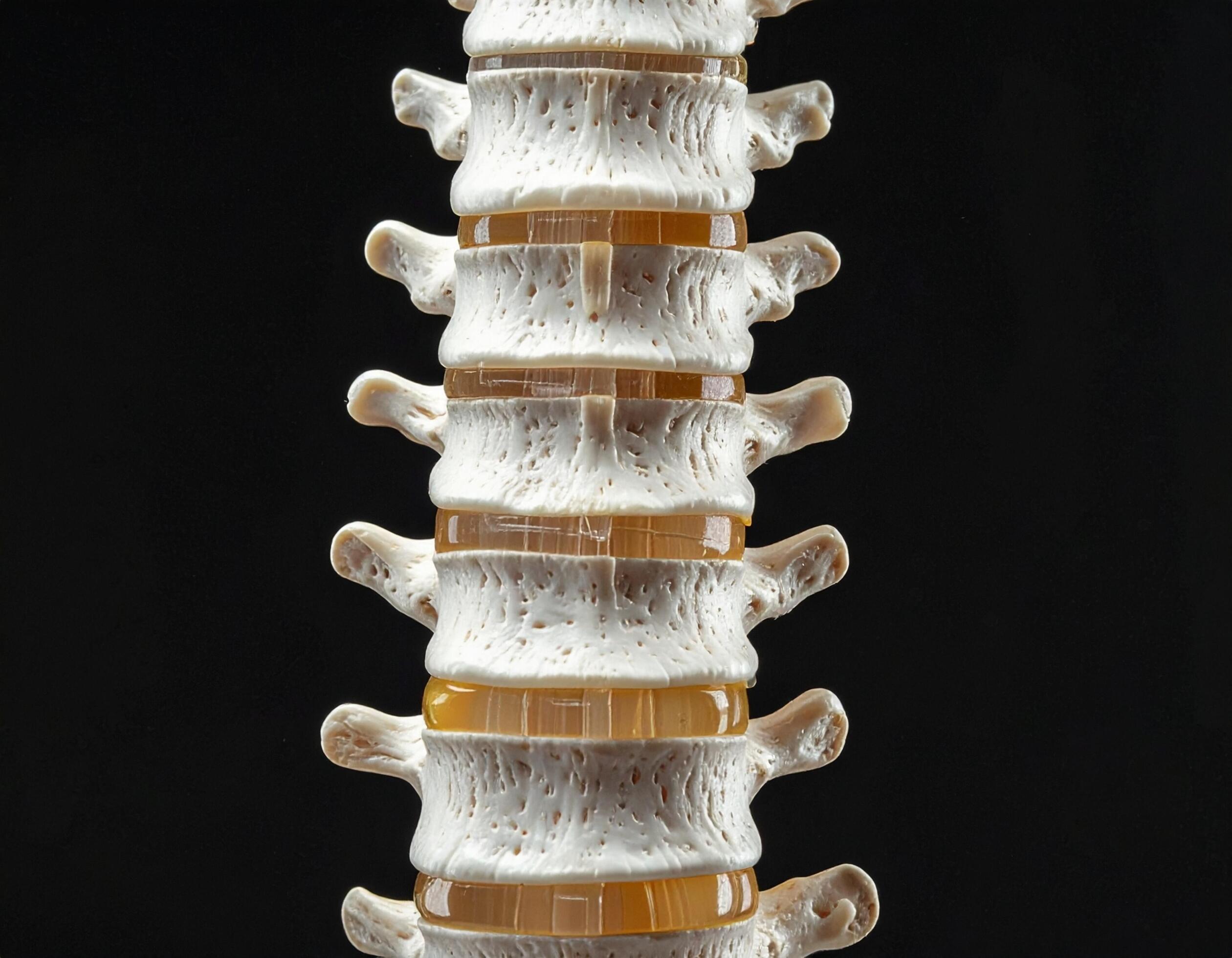
One of the bones in your spine gives way and partly caves in, usually at the front. The bone was already weak, so it didn't take much to crack it. Osteoporosis is almost always the reason it got that fragile.
You'll usually feel it most when you stand up or move around. Lie down and it settles some. If it happens more than once, the upper back can start to round, and you might lose an inch or two of height over the years.
How We Sort It Out
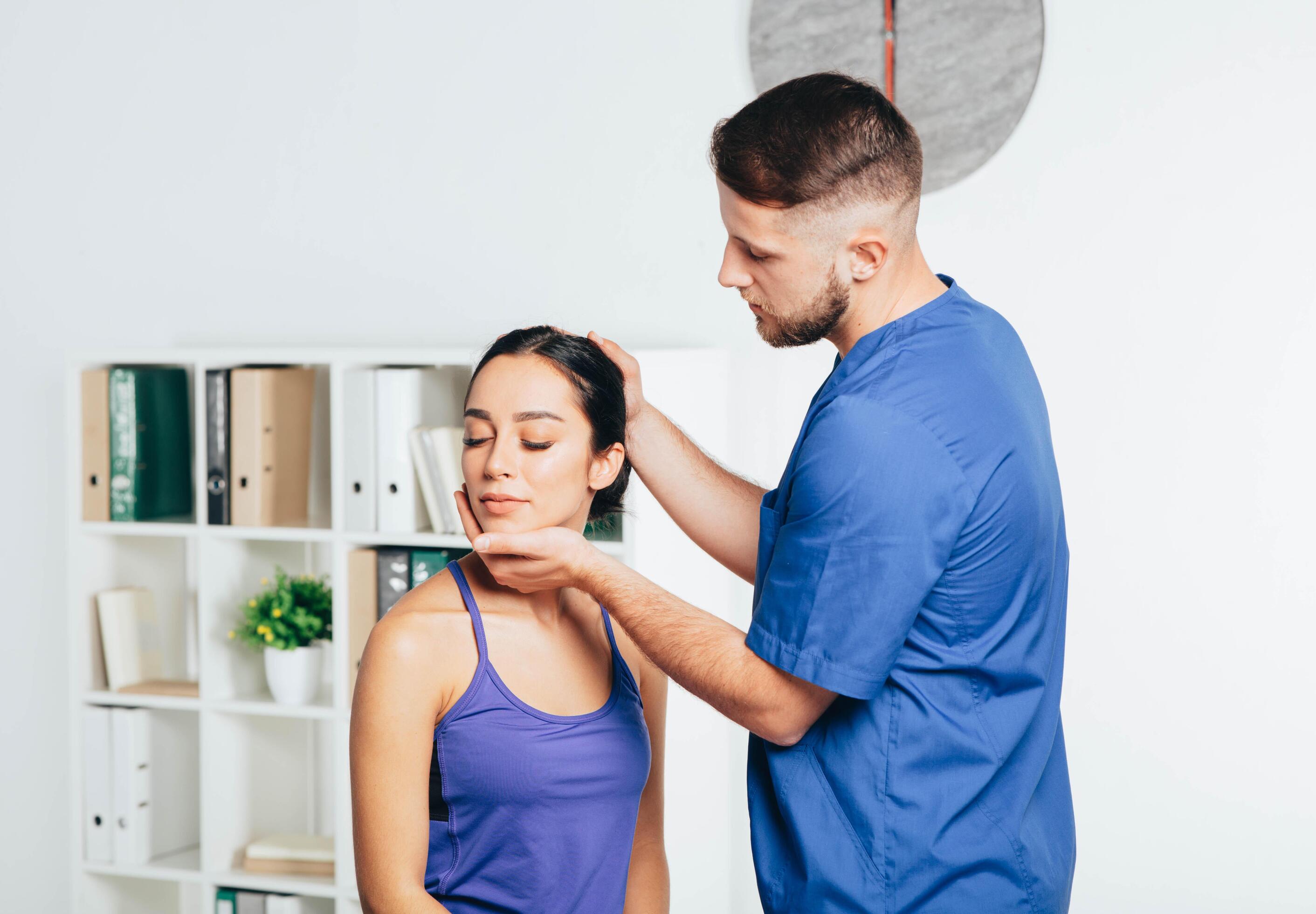
We start by asking you to walk us through it. When it hit, what you were doing, what makes it better or worse through the day. Then we look at how you move and press to find where the pain lives. Imaging pins down the fracture and rules out anything else going on.
And we want to know why the bone cracked in the first place. This fracture matters, sure. But so does making sure there isn't a second one waiting to happen.
Non-Surgical Care
Most of these heal on their own over several weeks. Our job is keeping you comfortable and moving safely while the bone knits back together.
- Pain management so you can rest and still get around
- A brace in some cases to steady the spine early
- Gentle movement to keep muscles from wasting
- Posture and lifting guidance to protect the spine day to day
- A bone health plan, since osteoporosis is the real backdrop
When your back is screaming, lying still for weeks sounds like exactly the right move. It isn't. Too much bed rest just weakens the muscle and bone even more. We help you land on the safe middle ground, where you're moving enough to stay strong but not so much that you set the healing back.
The Bone Health Piece You Can't Skip
Here's what's easy to forget once the pain fades. If osteoporosis caused this fracture, it hasn't gone anywhere. It's still there, quietly stacking the odds toward the next one.
So we don't stop at healing the break. We look at bone density, whether you're getting enough vitamin D and calcium, how steady you are on your feet, and what might trip you up at home. Handle that, and you keep one fracture from turning into a habit. That's a big part of staying on your own two feet.
When More Is Needed
Most fractures come around with conservative care. Once in a while the pain hangs on hard, and there are procedures that can shore up the bone. We'll talk you through those straight if it comes to that. Plenty of people never need to go there.
Getting on it early protects how you stand, how you move, and how you live on your own. For most folks, that independence is the whole ballgame.
If you or someone in your family has a sudden bout of back pain, don't just wait it out. Contact Modern Medicine of Surprise, AZ by phone or the online form, and we'll help sort out what's going on and how to heal safely.