Start With A Strength Map
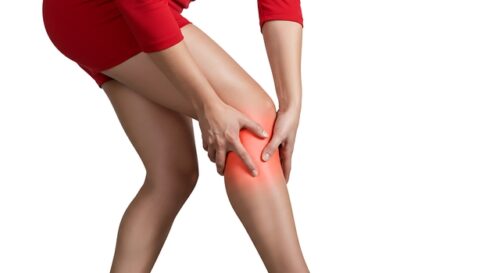
A knee injury often leaves more than one weak spot. Pain can sit in the front of the knee, but hip weakness can drive poor control. Old ankle stiffness can change how you land. Physical therapists start by testing quads, hamstrings, glutes, and calves. They watch you walk, stand from a chair, and step down. Then they pick the first few exercises that match your pain level and movement limits.
Stop The Shift ToThe Other Leg
Most people unload the injured knee without noticing. They lean to the stronger side during cooking and brushing teeth. They push off the good leg on the stairs. They turn with the hips and avoid bending the knee. That shift keeps the injured leg weak and keeps the knee sensitive. Therapy targets even loading with slow chair stands, split stance holds, and step drills. You learn to keep pressure through the whole foot, not the toes.
Build Quad Strength Without Flaring The Joint
Quad strength drives stairs, walking speed, and knee stability. PT builds the quad gradually, so the knee stays calm. Early work often uses isometric holds and short-range motion. Later work adds step-ups, leg press, and controlled squats. Your therapist adjusts depth, tempo, and load so you train hard but recover well. The goal is a stronger quad with less swelling the next day.
Add Hip And Hamstring Strength For Better Control
Strong hips keep the knee from collapsing inward during stairs and squats. Hamstrings help control knee motion during quick stops and direction changes. PT uses bridges, hinges, side steps, and step outs to build that support. This work reduces the wobbles during turns. It also takes stress off the front of the knee during daily movement.
Restore Knee Bend And Straightening Through Movement
Strength gains stick once the knee moves well. Limited knee straightening can keep a limp in place. Limited bend can make stairs and car rides miserable. Therapists use motion drills that fit your stage of healing. You practice controlled bends, gentle end-range work, and steady stretch holds. Motion work stays paired with strength, so the knee learns to use the range you regain.
Train The Tasks That Matter In Real Life
Rehab works better when it matches your routines. Therapy practices steps, curbs, and uneven ground walking. It can include kneeling practice for housework. It can include floor transfers for playing with kids or grandkids. It can include carry drills for groceries and laundry. Your therapist breaks the task down, then rebuilds it with control and strength.
Use Weekly Checks To Guide Progress
Progress should show up in repeat measures. Your therapist tracks strength, range, and task quality each week. These checks show when it is time to add load and when you should hold steady for another week.
- Chair rise reps in 30 seconds, with even loading
- Step down control from a low step, no knee dive inward
- Single leg balance time near support, steady trunk
- Calf raise height and endurance, side to side match
- Knee bend and straightening range, measured on each visit
- Next day swelling and stiffness in the length after a harder session
Get the Knee Strength Rehab You Need
Reach out to Modern Physical Therapy & Sports Medicine of Surprise, AZ today and let us test your weak links, rebuild strength safely, and guide you back to stairs, work tasks, and sports quickly.